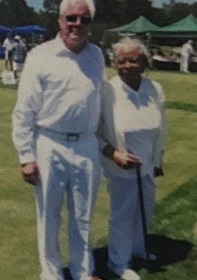
A long community table set with home-cooked food at dusk

A humane society project · Beaufort, South Carolina

Nobody should face cancer while wondering who is bringing dinner.

Kater2Cancer delivers hot meals, drives patients to treatment, and pays the bills that treatment leaves behind — for families across Beaufort County. The work is run by the great-grandchildren of Lucille Culbertson, who faced cancer here and was kept going by neighbors who simply showed up with food.

1,200
Meals delivered in year one
60
Patients supported in Beaufort County
40
Volunteer drivers and cooks
$45,000
Direct aid paid to vendors and landlords

First-year targets

Why this exists

Lucille's kitchen, and the life behind it.

Lucille Davis Culbertson was born in Beaufort in 1925 and grew up in Old Point, the seventh of eleven children. Her father managed a farm on the water across town; her mother took in washing, helped in the fields, and still served three hot meals a day to a full table. "We had such fun on that farm," Lucille remembered. "And we had everything we needed."

She walked three miles to school and three miles back. Black children sat in the balcony at the Breeze Theater and drank from separate water fountains. Five of her brothers and sisters served in the Second World War. She married after high school, trained as a nurse and midwife, delivered babies before Beaufort Memorial Hospital opened in 1944, and then spent more than fifty years caring for elderly and homebound patients — many of them in the same neighborhood she was born in.

First African Baptist Church, built in 1865 by freed slaves, raised her. The minister at the time was her godfather, and it was he who named her Lucille, which means light. She washed its windows, sang the solo when nobody else came to choir, and her family now fills two of its pews. She marched with Martin Luther King, Jr. through Beaufort, from the old K-Mart shopping center down to Grace AME Church; her brother Hyland knew Dr. King well. Asked to explain any of it, she would say very little: "I just pray to God and do the Lord's will."

She buried her parents, all ten of her siblings, her husband, and two of her three children, and was the last surviving member of the family she was born into. What carried her through her own illness was not only medicine. It was the people who appeared at her door with a covered dish, a ride to an appointment, a hand that did the dishes without being asked — the same thing she had done for other households her whole life.

Her great-grandchildren started Kater2Cancer so that kindness reaches the next household on the same streets, as organized, dependable support with a name attached to it and a phone number that gets answered. The rule of this organization came directly from her kitchen: bring something, stay a while, and do not ask the family to prove how badly they need it.

"She was soft, she was comforting, and she could inspire you right into your future."— The Culbertson family
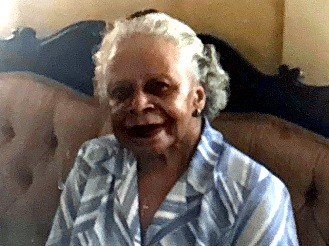
Portrait of Lucille Davis Culbertson, smiling, from the article A Beautiful Friendship
Lucille — the portrait that ran with "A Beautiful Friendship," the 2021 profile of her life in Beaufort.
A quiet, oak-shaded street in Beaufort, South Carolina at golden hour
Beaufort, South Carolina — where Lucille lived, was treated, and where this work is based.

Her life, in order

A century of Beaufort, from one front porch.

The Depression, the war, Jim Crow, the movement, and the slow remaking of Old Point — Lucille lived all of it in the town she was born in, and spent most of it looking after somebody else.

  1. 1925

    Born in Old Point

    Lucille Davis came into the world in Beaufort in 1925, the seventh of eleven children raised by a mother who took in washing and never let the table go empty.

  2. The farm

    A farm on the water

    Her father moved the family across town to manage a farm on the water. Fresh milk, vegetables, good fishing — she remembered it as idyllic, and never learned the hardship of it.

  3. Girlhood

    Three miles each way

    She walked three miles to school and three miles home. Black children sat in the balcony at the Breeze Theater and drank from separate fountains — remembered, but never carried as bitterness.

  4. The war

    Five in uniform

    Five of her brothers and sisters served in the military during the Second World War.

  5. 1944

    Nurse and midwife

    Married after high school, she trained as a nurse and midwife and delivered babies before Beaufort Memorial Hospital opened in 1944.

  6. 50 years

    Fifty years at the bedside

    Most of her working life was spent caring for elderly and homebound patients — many of them back in Old Point, the neighborhood she was born in.

  7. The church

    First African Baptist

    The church built by freed slaves in 1865 raised her. Its minister was her godfather, and he named her Lucille — light. She washed its windows, sang the solos nobody else would sing, and her family now fills two pews.

  8. The march

    Marching with Dr. King

    She marched with Martin Luther King, Jr. in Beaufort, from the old K-Mart shopping center down to Grace AME Church. Her brother Hyland was in the movement and knew Dr. King well.

  9. GG

    A decade of daily calls

    She met Erich Wilms in the pew at First African Baptist. For ten years he has phoned her every single day, wherever in the world he happens to be, and they talk for an hour at a time.

  10. Loss

    The last of her birth family

    She buried her parents, all ten of her siblings, her husband, and two of her three children — and kept her spirits high.

  11. Two rules

    Church and the ballot

    The whole philosophy, in one sentence from her father: always go to church, and always vote.

First African Baptist Church in downtown Beaufort, a white wooden church with two steeples
First African Baptist Church in downtown Beaufort — built in 1865 by freed slaves. Lucille grew up here, sings here still, and calls it home.
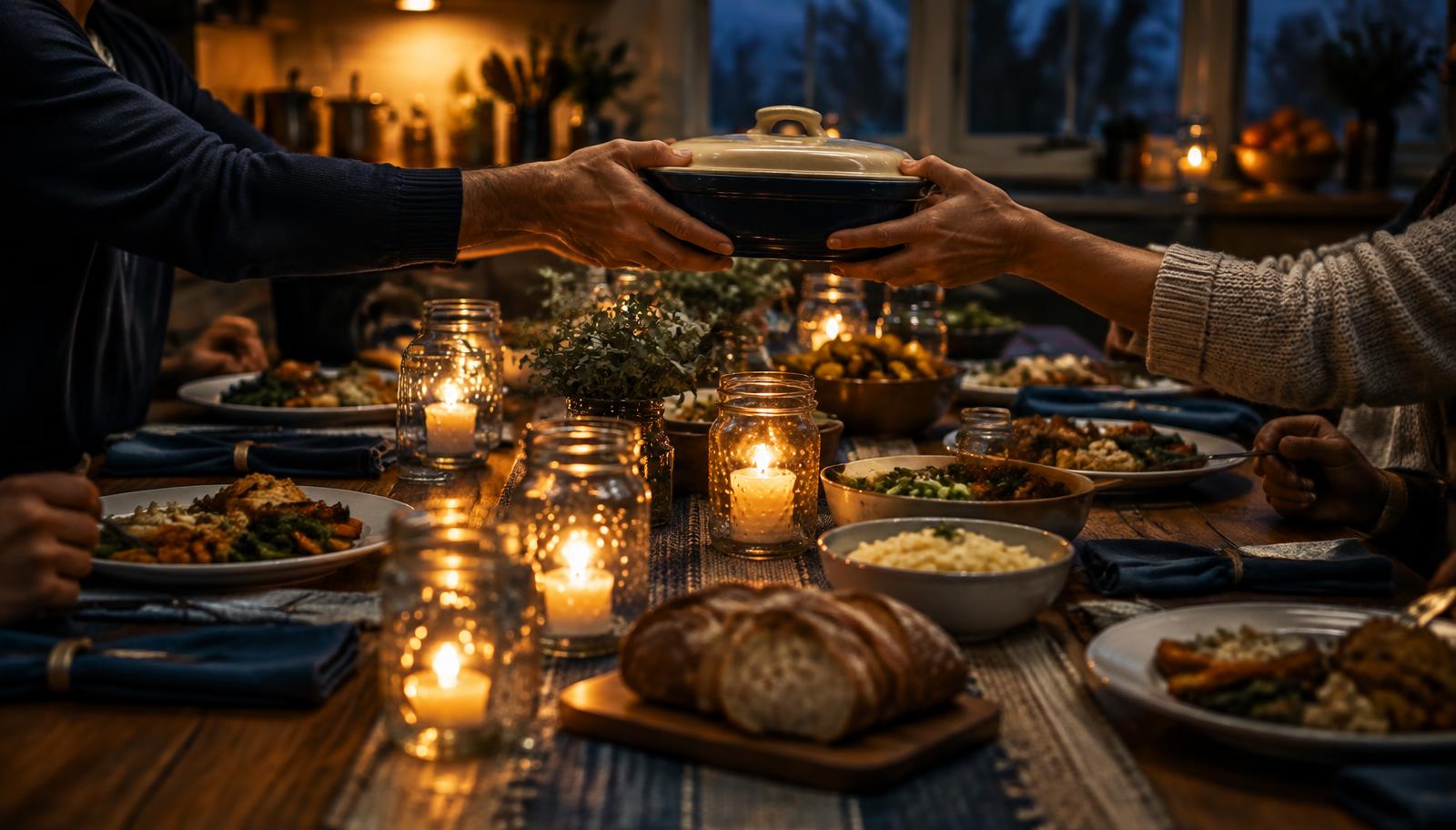
Lucille and her friend Erich Wilms dressed in white at the AMIkids charity croquet tournament
Lucille and Erich Wilms at the AMIkids charity croquet tournament, dressed in whites. All she wanted to know afterwards was whether they had raised any money for the cause.

"My daddy taught me two things: always go to church. And always vote."— Lucille

Life details and quotations on this page are drawn from "A Beautiful Friendship," the profile of Lucille written by Margaret Evans and posted May 25, 2021, together with the family's own recollections. Photographs are reproduced from that article.

What we actually do

Six programs. Every one of them a tangible thing someone receives.

Nothing here is awareness, and nothing here is a poster. Each program below ends with food on a table, a patient in a chair on time, or a bill paid on someone's behalf.

01 / Meals

Meals to the Table

Hot, home-style food brought to the door on the days treatment makes cooking impossible — and a full grocery run for the weeks after.

  • Weekly hot-meal delivery during active treatment
  • Grocery top-ups: fresh produce, lean protein, shelf staples
  • Treatment-day bags — broth, crackers, water, soft snacks
  • Diet adjustments for chemo nausea, swallowing limits, and diabetes
  • Holiday and birthday meals so no one eats alone on those days

02 / Transport

Getting to Treatment

Missed appointments cost progress. We make sure the drive to infusion, radiation, and oncology never becomes the reason care stops.

  • Vetted volunteer drivers for appointments and infusion days
  • Gas cards and mileage reimbursement for rural Beaufort County routes
  • Lodging near Charleston and Savannah treatment centers
  • Parking, tolls, and hospital fee cover for multi-day visits
  • Rides home after sedation, when family cannot drive

03 / Direct Aid

Carrying the Bills

The treatment is rarely the only cost. We pay the expenses that pile up beside it and force patients to choose between medicine and the house.

  • Co-pays, deductible gaps, and unfilled prescriptions
  • Utility and electric bills during recovery months
  • Home and mobility needs: ramps, grab bars, hospital bed rental
  • Funeral and burial assistance for families who have nothing left
  • One-time emergency grants, paid direct to the vendor or landlord

04 / Support

A Listening Hour

A standing weekly room — open to patients and to the people caring for them — where the paperwork, the fear, and the silence all get some help.

  • Weekly peer room hosted in person and by phone
  • Caregiver respite so family members can rest a full day
  • Help filing Medicaid, Medicare, and hospital charity-care requests
  • Employment leave and disability paperwork guidance
  • A named point of contact who answers, every time

05 / Community

Community Kitchen Nights

The monthly supper that funds the work — church kitchens, local restaurants, and neighbors cooking one long table together.

  • Monthly community supper with a matching donation
  • Restaurant and church kitchen partners across the Lowcountry
  • Catering crews who give back a share of every event they serve
  • Youth and school programs teaching the meal-delivery tradition
  • Transparent reporting on what every supper raised and spent

06 / Remembrance

Remembrance & Bereavement

Cancer does not end with a diagnosis or with a death. We stay with the household before, through, and long after.

  • Meals and gathering support for families in the first weeks of loss
  • An annual memorial supper held in Lucille's name
  • A memory wall where families leave a photo and a sentence
  • Grief check-ins at 30, 90, and 365 days
  • Legacy gifts: give a month of meals in someone's name

Find your support

Tell us what you need. We'll point you to the right help.

Describe your situation in your own words — meals, rides, bills, someone to talk to. This guide suggests programs and who in the family to contact. It does not give medical advice; for questions about care, talk with your doctor. In an emergency call 911.

How a request moves

From one phone call to help at the door in three days.

01

Reach out

A phone call, a form, a nurse referral, or a neighbor who simply tells us. No application fee, no income paperwork required to start.

02

A 20-minute intake

We listen, confirm the diagnosis and treatment schedule, and learn what the household actually needs this month.

03

Aid in motion

Meals go on a route, a driver gets assigned, and bills are paid direct to the vendor — usually within 72 hours.

04

Stayed with

Check-ins continue through treatment and after it. Support does not stop the day the last scan comes back clean.

Who we serve

Beaufort County households, from diagnosis through bereavement.

We work inside Beaufort, Jasper, and Hampton counties — the coast and the sea islands — where the nearest infusion center can be an hour's drive and a missed appointment is often a transportation problem wearing a medical mask.

There is no income test to receive a meal. There is no application fee. A nurse, a pastor, a neighbor, or the patient themselves can start a request.

  • Patients in active treatment with no one to cook
  • Households where a caregiver has stopped working
  • Elders living alone within a long drive of an infusion center
  • Families carrying a diagnostic bill they cannot settle
  • Newly bereaved spouses and parents in the first months of loss
  • Rural and Gullah-Geechee communities on the sea islands

Request help

Tell us what your household needs.

Intake handled by Kevin Ramsey & Dionne Ramsey

A real person calls back within two business days. If it is urgent — no food in the house, or a treatment ride already missed — write "urgent" in the last box.

Volunteer

Cook, drive, or hold a phone.

Volunteer coordination handled by Christopher Ramsey

Every hour given here becomes a meal, a ride, or a bill paid. Two hours a month is a real contribution and we will take it.